The Baker from Sinsheim
The Innkeepers – Part 1
This week, we'll begin with one of the family's less tragic stories. We'll explore the life of one of our earliest direct ancestors and the family's first business, long before the generations that entered the textile industry.
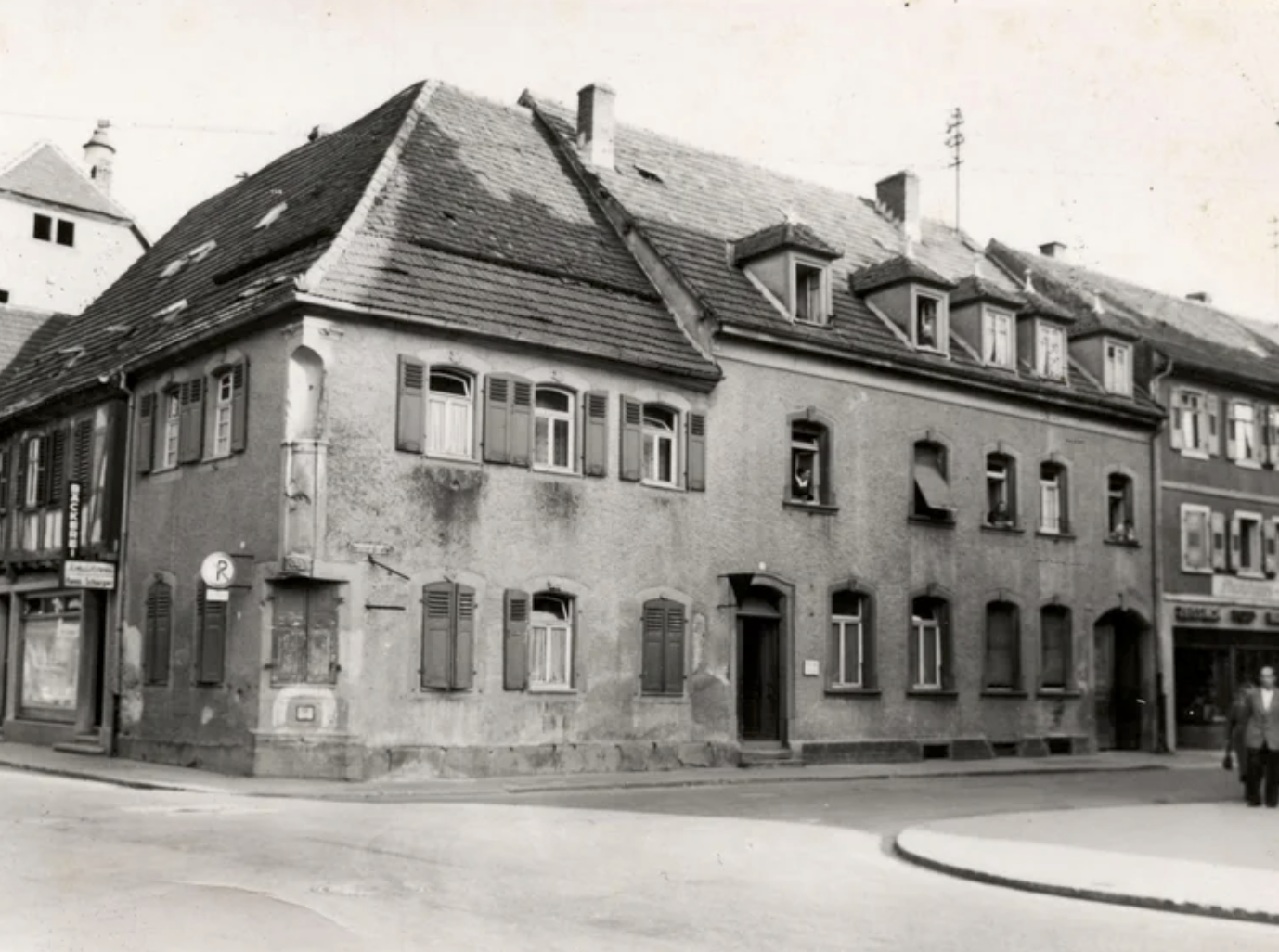
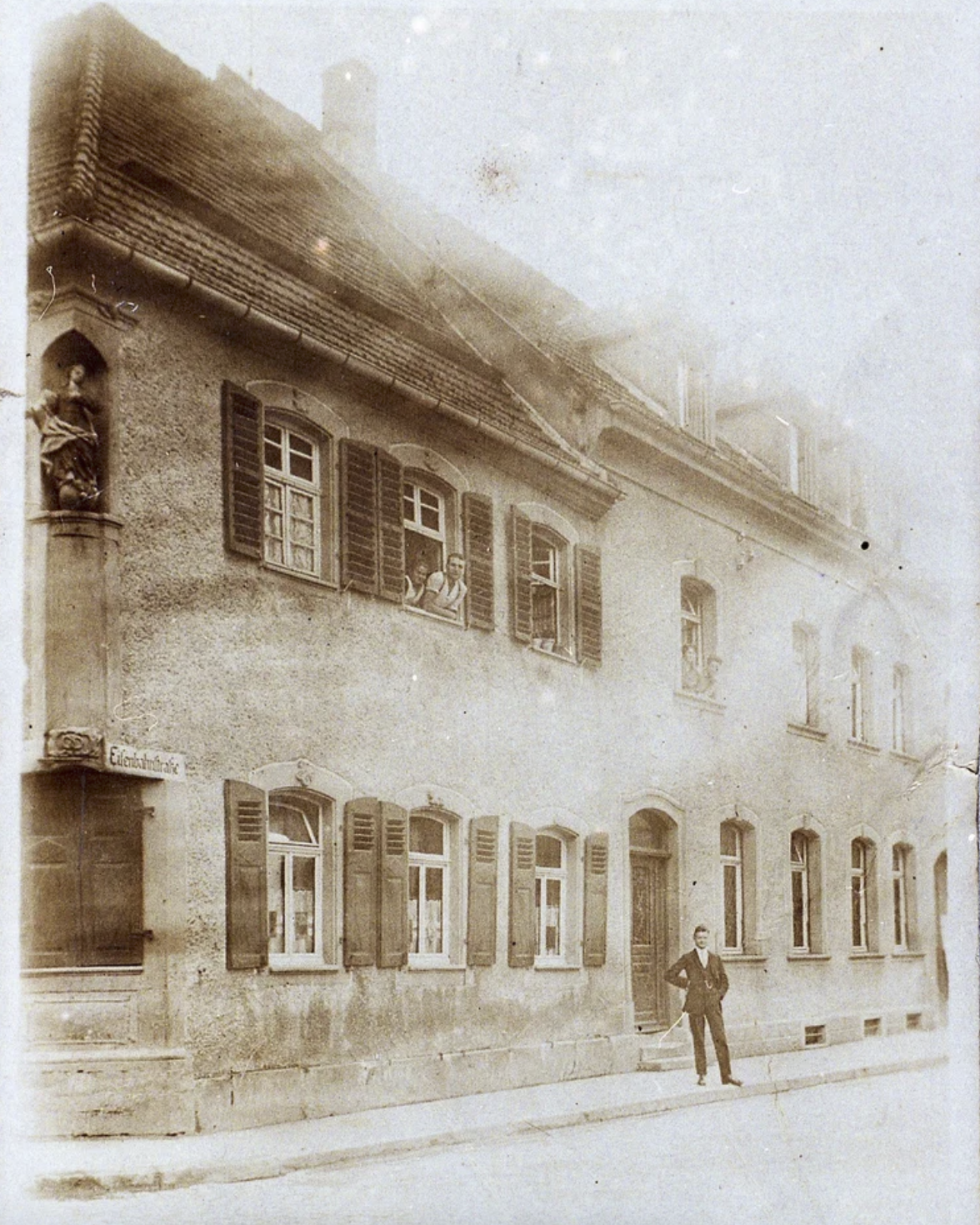
For nearly two hundred years, one of Sinsheim’s most well-known buildings stood in the heart of the town: The Pfälzer Hof.
The inn’s name is made up of two German words:
Pfälzer – Meaning “from the Palatinate,” a region in southwestern Germany known for its picturesque landscapes, vineyards, castles, and excellent white wines, especially Riesling.
Hof – Literally meaning “courtyard,” but in this context, it refers to an inn, guesthouse, or estate.
This type of name was very common in Germany, especially among inns and hotels that wanted to reflect a traditional, rural German atmosphere.
Like Germany itself, the inn went through many transformations over the years, including fires, renovations, and frequent changes of ownership.
And, as is typical in Germany, every technical detail was carefully documented.
The first Leopold Marx
Leopold married his first wife, Eva Ottenheimer, on November 1840.
Their son, Levi was born on November 29, 1842, followed by another son, Joseph, born on August 15, 1845, who sadly passed away just six months later.
Eva died shortly afterward, on February 1846.
Later that same year, on September 1846, the widowed Leopold Marx married Mina (Maria) Fleischer. Leopold and Mina were first cousins and shared the same grandparents.
The couple moved to Sinsheim, where Leopold was admitted as a full member of the local bakers’ guild on March 1849. co-master in the bakers' guild.
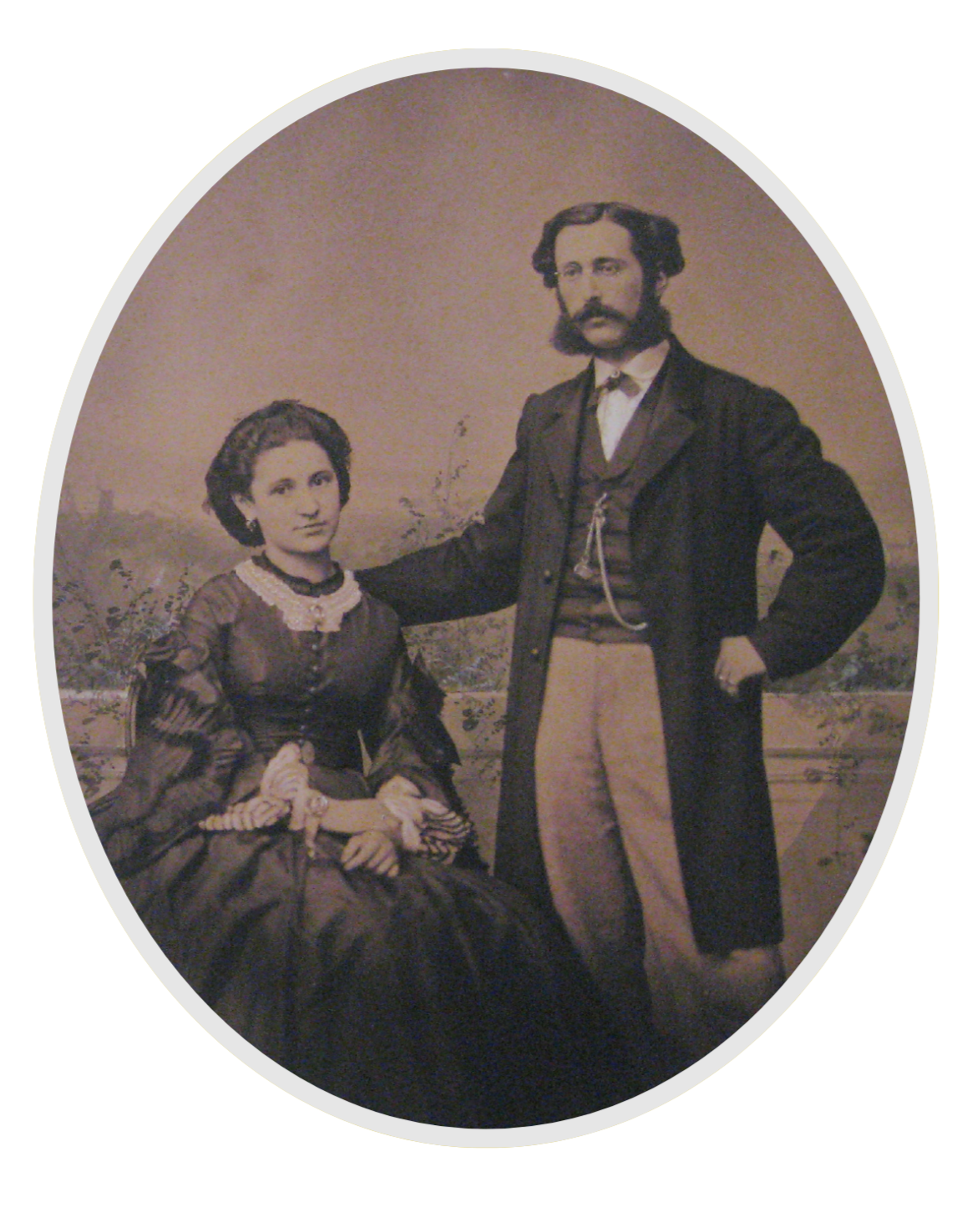
Leopold Marx and Mina (Maria) Fleischer were the parents of our ancestor Eduard, Babette’s husband, and the grandparents of Leopold, Julius, Alfred, and Greta.
Over the years, Leopold and Mina had 11 children, 4 of whom died at birth or at a very young age.
Jacob Marx – Born April 9, 1848
Zilly Marx – Born August 16, 1849, died at birth
Sigmund Marx – Born July 21, 1850
Lina Marx – Born February 16, 1852
Emilia Marx – Born June 26, 1853, died at the age of two
Eduard Marx – Born November 25, 1854
Joseph Marx – Born July 3, 1856
Binchen Marx – Born April 4, 1859, died at one month old
Daniel Marx – Born August 12, 1860
Ida Marx – Born February 22, 1863
Emil Marx – Born February 11, 1864, died at the age of one
The sons Jacob, Sigmund, and Daniel, and Levi (from Leopold’s first marriage), emigrated abroad.
Daniel left for health reasons, while Sigmund was already living in Paris by 1869 and refused to return to Germany. In addition to his son Levi, who had attended the higher civic school from 1853 to 1855, Leopold Marx trained other apprentices
The sons Eduard and Joseph entered the textile business. Eduard later moved to Bad Cannstatt, while Joseph emigrated to the United States.
Only the daughters, Ida and Lina, remained close to their parents. They married and started families of their own.
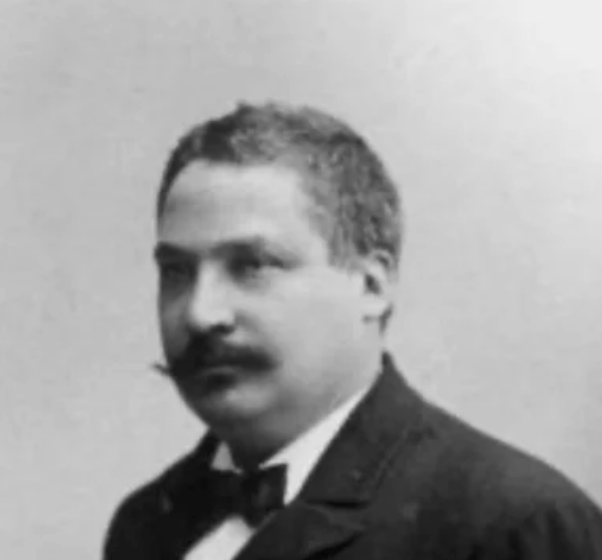
Eduard Marx
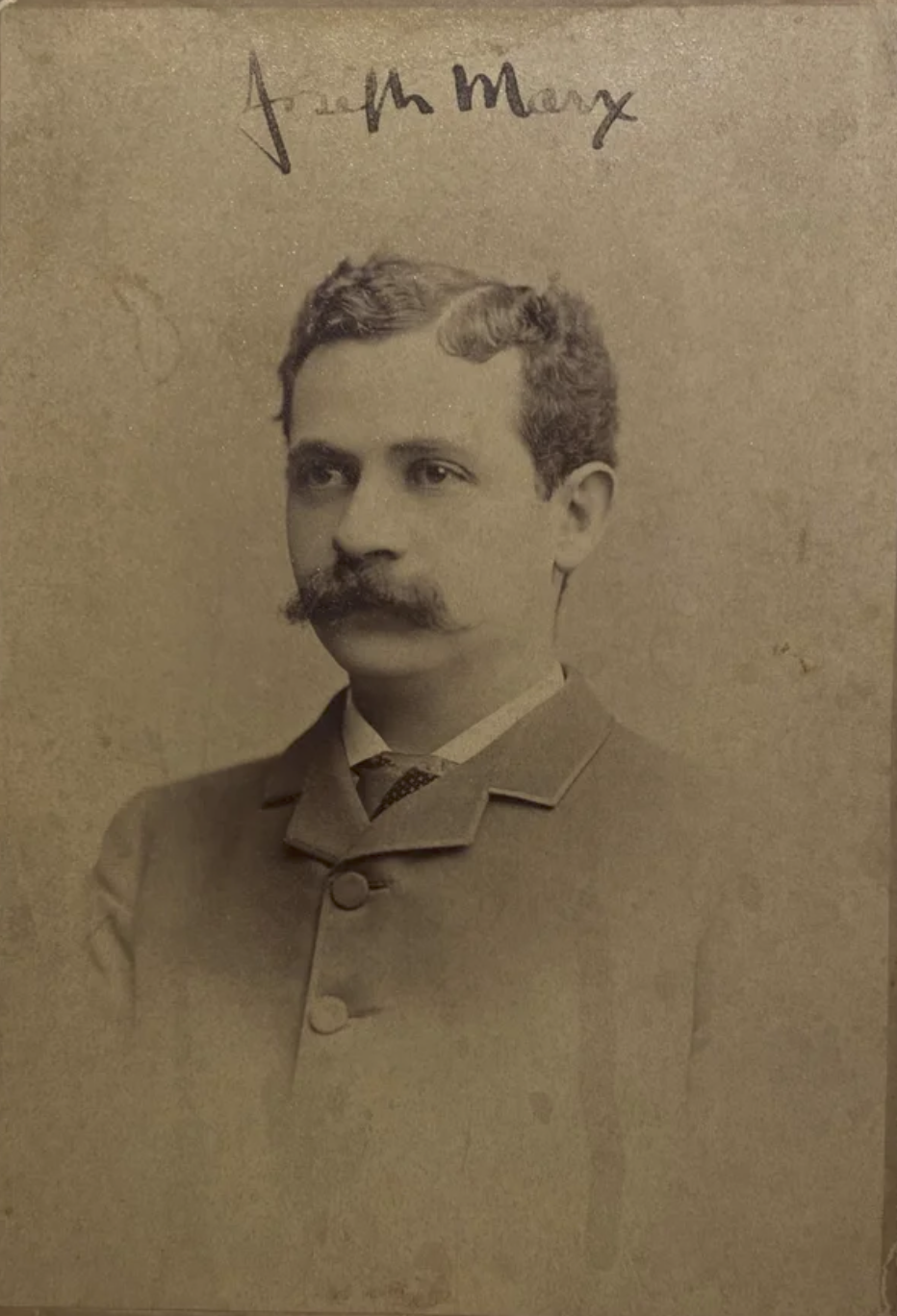
Joseph Marx
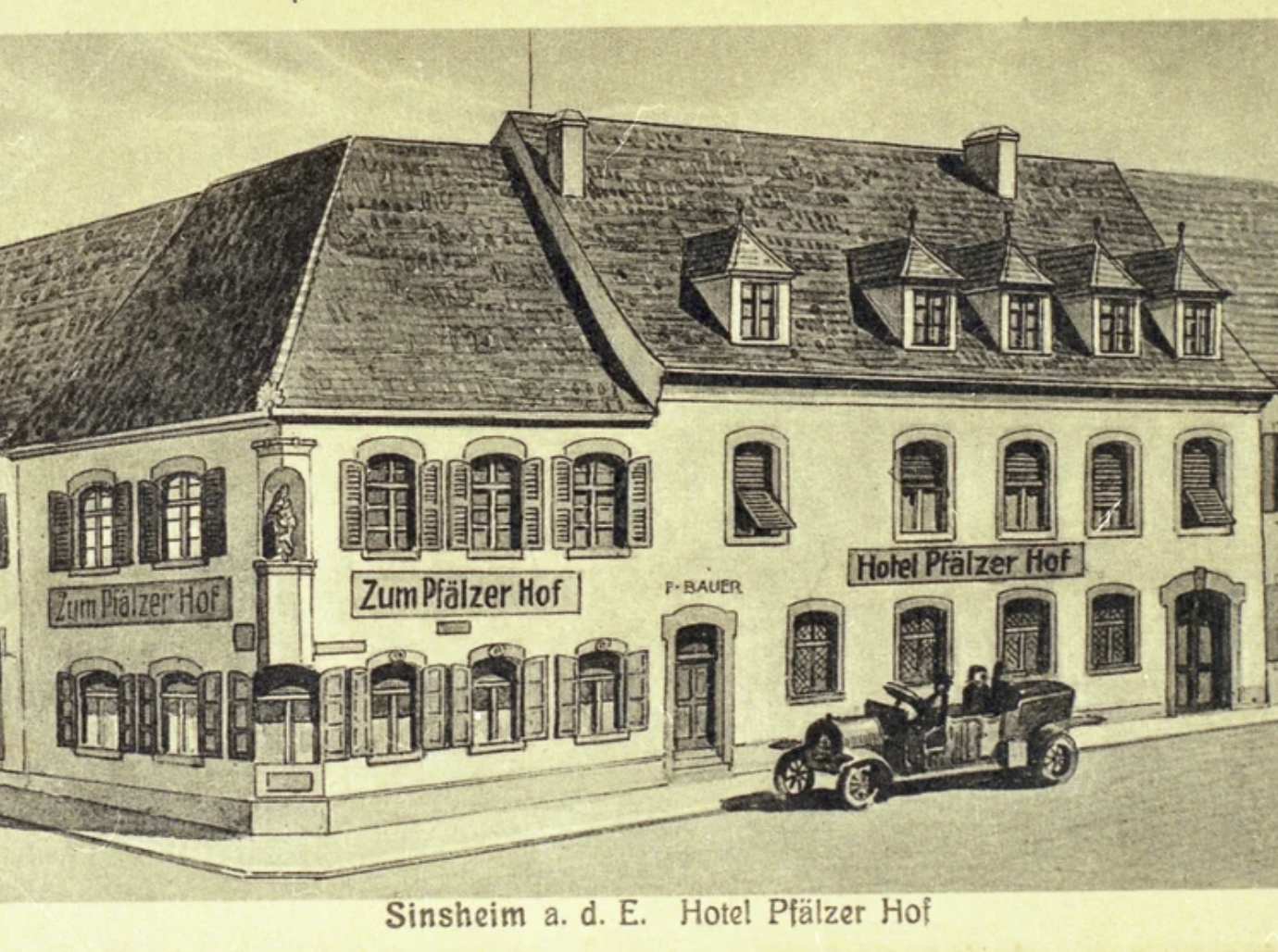
Original illustration of the Pfälzer Hof inn in Sinsheim
The original property consisted of two plots of land with two houses, both of which were most likely rebuilt shortly after the great fire of 1689.
Around 1800, the property underwent extensive renovations.
According to the 1829 land register, the inn consisted of:
A two-story stone residential building on the market square.
A two-story wing with a barn and stable on the ground floor and living quarters above.
A wing housing a brewery and distillery.
A three-story wing with a pigsty and wood storage area.
In 1850, Leopold and his wife, Mina, became the owners of the inn.
At the inn, Leopold trained apprentices in baking and confectionery, sold sweets during the holidays, and kept barrels of wine for sale.
During Leopold’s time, the inn also hosted balls and social gatherings.
In 1866, a dance and etiquette teacher was invited to the inn to teach ladies and gentlemen, especially the “first ladies,” how to dance.
In 1869, a “famous young lady with supernatural powers of sight” (a well-known traveling medium) regularly offered her services in Room No. 3 on the first floor.
In 1877, Leopold allowed the Jewish community to use a hall in the inn for prayers for several weeks, while the synagogue was closed for renovations.
Love, Marriage & an Inn
After 27 years of owning and running the inn, Leopold and Mina were ready to retire. They decided to pass ownership of the inn to their daughter, Lina, and her husband, Max Adler, who was two years younger than her. The property was given to them as an “irrevocable” wedding gift on their wedding day, July 31, 1877.
That same year, Max received an official license to operate the inn. The authorities confirmed that he was “a man of good reputation.”
Max then officially became a citizen of Sinsheim after paying an admission fee of 10 marks to the hospital and poor relief funds.
When transferring the property, Leopold and Mina reserved Room No. 10 and one additional room, either No. 5 or No. 6, for themselves, creating a small apartment they could always return to.
The total value of the property was estimated at 16,000 marks, an enormous sum at the time, equivalent to approximately €400,000 today.
The wedding gift also included the inn’s furnishings: tables, benches, three lamps in the drinking hall, an upholstered table and bench, a billiard table, a piano, a lamp, and a clock in the dining room.
Max continued his father-in-law’s tradition of hosting regular balls and social gatherings, including celebrations for the Jewish holiday of Sukkot. He also provided “food and lodging” for soldiers staying in the town.
Next week, we’ll continue the story. What happened when the young couple decided to start a family? How many years did they continue running the family business, and what eventually became of the inn? We’ll also share rare photographs of Max and Lina, putting faces to the names and bringing another chapter of our family history to life.
